The East London Garden Society is again funding a boat trip for those interested in nature reserves and historical buildings in The Lower River Lea. We are proud to be acting for those in the community who want to explore and learn as they go forward. The boat trip planned for May 2016 is already fully booked.
We believe in not only improving our ability to improve our gardening experience, but to show what a wonderful opportunity there is in East London to enjoy nature in its totality.
If you value having someone campaign on your behalf to protect the environment and having access to useful articles about gardening and local environmental matters, please make a donation to help us with the cost of maintaining The East London Garden Society.
A message from Ewan Norrie, a member of Bampton Gardening Club, Oxfordshire.
I built ComparePlants because I got tired of opening seven browser tabs every time I wanted to buy a plant.
Hydrangea 'Limelight' at one nursery, £22. At another, £14. A third had it for £18 but with free delivery over £40. I'd lose the tab I needed, forget which site had the deal, and usually just give up and pay whatever the first result showed.
So, I built a tool that does the comparing for you. You search a plant once, and you see the prices at every UK nursery that stocks it, side by side. No account needed, no sign-up, completely free for gardeners and always will be.
What's new since March:
My Allotment - a new feature that lets you save plants you're interested in, so your shopping list (and the best current prices) stays in one place. When a price drops, you'll see it the next time you visit. Still no account required and everything is stored in your browser.
Find It For Me - the database has over 5,500 plants from 130+ UK nurseries, but if you're looking for something we haven't catalogued yet, this button goes off and searches the web for you. It takes about fifteen seconds and it'll tell you honestly whether it found something or not. No more dead-end 'no results' pages.
Garden Planner - probably my favourite addition. You draw out a rough plan of your garden, mark the sunny and shady spots, tell it what you've already got growing, and it suggests plants that'll thrive in each zone with real prices from real nurseries so you know what you're looking at before you get out the credit card.
I am a gardener, not a retailer. I don't sell plants, I don't push any particular nursery, and I'm not collecting email addresses.
ComparePlants is just a tool I wanted to exist, so I built it. Because it covers every UK nursery we can find, it tends to surface independents and specialists alongside the big names. The kind of places I'd never have heard of otherwise.
If you give it a go and have feedback, I'd genuinely love to
hear it. I read every email that comes in to hello@compareplants.uk
Try compareplants.uk now.
Happy gardening.
Ewan Norrie
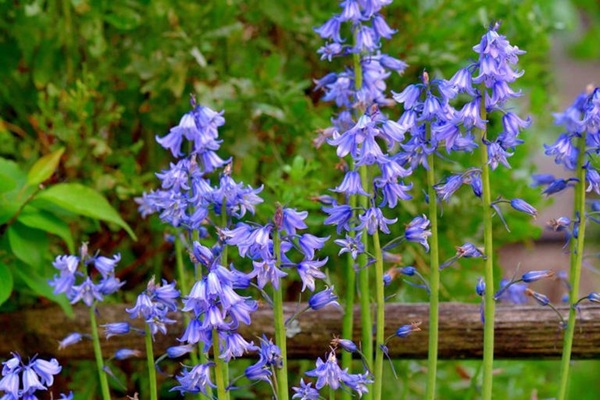
Gardeners are being urged to check their gardens as invasive bluebells are rapidly spreading across the UK and threatening the future of the nation’s native blooms.
Plant experts at Gardening Express.co.uk warn that many homeowners may already have the invasive Spanish bluebell plants growing in their gardens, but they can quickly take over and outcompete native English bluebells.
Spanish bluebells were originally introduced as ornamental garden plants, but their ability to spread aggressively means they are now one of the biggest threats to native bluebells.
They grow faster, produce more seeds and easily hybridise with native varieties, creating crossbreeds that dilute the UK’s iconic woodland flower.
Native bluebells are a protected species and a vital part of the UK’s natural heritage, but once Spanish bluebells escape gardens, they can spread into nearby countryside and woodlands, making gardens a key battleground in protecting the native species.
Experts say many gardeners are unintentionally helping the problem grow, often because they don’t realise the difference between the two plants.

Bergamot is a bitter, inedible citrus fruit often called a bergamot orange, although confusingly it is yellow coloured like a lemon.
It is from a spiny tree called the citrus bergamia, that originated in the tropical climes of South East Asia and is now grown commercially in the province of Calabria in Southern Italy. (80% of the world’s bergamot comes from Calabria!) You can also find it in the south of France and Africa’s Ivory Coast.
The tree blossoms in winter, and it is cultivated for the skin of the fruit, which is cold pressed for its oils, flavours and scents. What is lesser known about bergamot is that it is also grown in Antalya in southern Turkey where the skin is used to make Turkish marmalade.
The name Bergamot derives from the Turkish words beg-armudi which means The Prince’s Pear – a fittingly majestic title for what is considered the finest and most exotic of citrus notes, used in all sorts of ways from flavouring Earl Grey tea to scenting essential oils. Indeed, it first came into vogue at the court of King Louis XIV of France in the 16th Century where aristocrats would commonly wear bergamot (prince’s pear) scented perfumes.
The traditional Eau de Cologne is heavily scented with bergamot and is said to have found its origins in the French royal courts 500 years ago, which is pretty mind-boggling. Bergamot is pronounced burger-mott in English, Bergamotto in Italian and Bergamote in French.
Today, bergamot flavouring is used widely in food, drinks (like Earl Grey tea) and for scenting perfumes, cosmetics like skin creams, bubble bath, shower gels and essential oils for which it is used extensively in aromatherapy. It was even used in traditional medicines throughout Renaissance Europe, as it was believed to have curative properties to keep fever away. Wealthy members of society would often wear a pomander around their necks, heavily scented with notes of bergamot in order to hide the stench of body odour.
The bergamot is a citrus fruit grown mostly in Mediterranean areas. Production is on a large scale in the Ionian Sea coastal areas of the province of Reggio di Calabria in Italy, to such an extent that it is a symbol of the entire city. Most of the bergamot production of Italy is at this short stretch of coastal land, where the climate is favourable. There are three different cultivars of bergamot fruits that are traditionally grown, namely Feminello, Fantastico and Castagnaro.
Bergamot is also grown in southern France and the Ivory Coast for the essential oil, and in Antalya in southern Turkey for its marmalade. The fruit is not generally grown for juice consumption. However, in Mauritius where it is grown on a small-scale basis, it is consumed as juice by the locals. The fruit is also cultivated in Argentina, Brazil, North Africa, Iran and Greece.
One hundred bergamot oranges yield about 3 ounces (85 g) of bergamot oil.
Rising temperatures are a magnet for pests in the gardens, such as rats look for shelter and for food. However, this can pose a major problem for anyone looking to maintain a perfectly manicured garden.
Rising temperatures are a magnet for pests in the gardens, such as rats look for shelter and for food. However, this can pose a major problem for anyone looking to maintain a perfectly manicured garden.
If you've tried other short term deterrents, it may be worth considering permanently adding plants to your garden to work as a natural defence. Not only could plants keep the rats and mice at bay, but you'll also be able to cultivate a wonderful garden with plenty of fragrance.
These plants can be grown in various areas of the garden, including borders and around patios, making entry points to the garden unappealing to the pests. So, you are getting more than just the deterrent benefits.
Here are the experts' top picks for the plants you should consider growing in your garden to ward off unwanted pests this spring and summer.
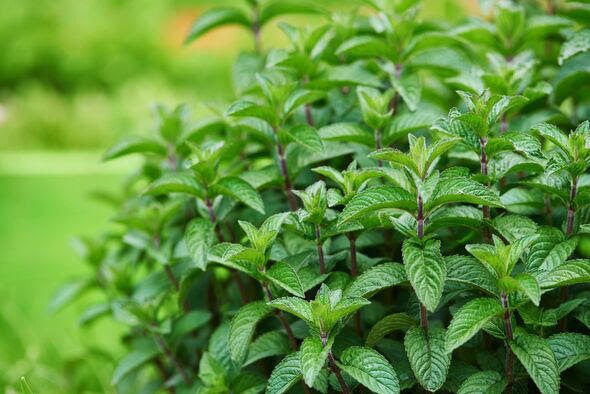
Mint: Rodents have an extremely strong sense of smell and they really dislike the intense scent that mint plants release, especially in warm weather.
Peppermint: This plant gives off powerful natural oils that can overwhelm a rat or mouse's senses, making gardens and areas close to the home far less appealing places for them to nest or forage. Planting peppermint around garden borders, patios, sheds or near entry points can act as a natural no-go signal for pests throughout spring and summer.
Another benefit is that peppermint is easy to grow, has low maintenance and is useful for households, whether that's for cooking, teas or simply keeping outdoor spaces smelling fresh, so it's a simple, natural deterrent that works on more than one level.
If you only plant one thing with rodent deterrence in mind, make it peppermint. It's not a magic shield, but it is one of the few widely available garden plants whose scent is strong enough to make a difference around specific hotspots in spring and summer.
It's high in potent aromatic oils which give it a sharp, lingering smell. Rats and mice navigate partly through scent, using odour cues to find food and to re-use familiar routes. A strongly scented plant can muddy those signals in the immediate area.